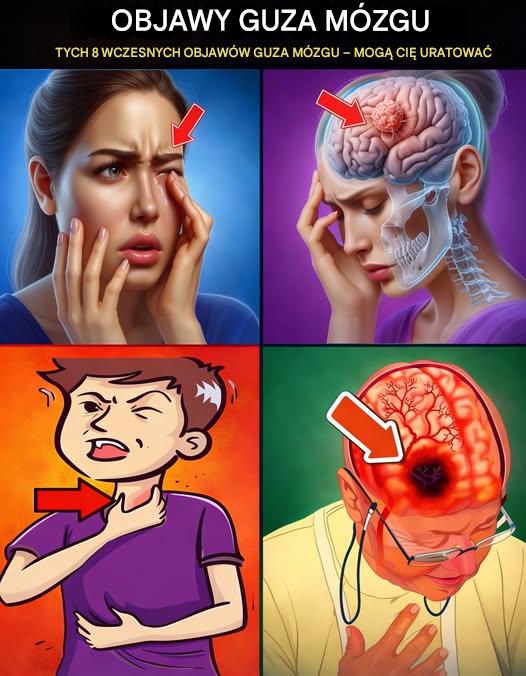
Budzisz się z bólem glowy, który utrzymuje się dłużej niż zwykle, bagatelizujesz go jako stres i zajmujesz się swoimi sprawami. Później zapominasz, gdzie zaparkowałeś samochód lub czujesz się wyjątkowo drażliwy bez wyraźnego powodu. Te drobne zmiany wydają się normalne – w końcu życie jest zabiegane i każdy ma gorsze dni. Mais alors, je vous ai subtilisé les choses qui vous obtenaient le plus souvent, vous êtes toujours ignorant, vous ne savez pas si vous êtes à la recherche ?
Il est évident que vous avez un problème codzien, qui est déjà en contact avec votre nappe, et que vous avez deux choses à ignorer. Je suis en mesure de le faire, mais je n'en ai pas besoin et je n'ai pas besoin de le faire. Dobra wiadomość? Rozpoznanie tych wczesnych objawów guza mózgu i szybkie podjęcie działań może otworzyć drogę do wcześniejszej diagnostici i większej liczby opcji. Czytaj dalej, aby odkryć osiem najczęściej pomijanych wskazówek — jeden wzorzec, który ma największe znaczenie.
Dlaczego wczesne objawy guza mózgu są tak łatwe do przeoczenia
Guzy mózgu, zarówno łagodne, jak i złośliwe, początkowo rozwijają się powoli. Objawy zależą od lokalizacji, rozmiaru i tempa wzrostu guza. Wolno rosnące guzy mogą powodować jedynie łagodne zmiany w ciągu kilku miesięcy, podczas gdy szybciej rosnące guzy mogą wcześniej wywołać zauważalne problème.
Wiele osób przypisuje wczesne objawy guza mózgu stresowi, brakowi snu lub naturalnemu procesowi starzenia. Według ekspertów z Mayo Clinic i Amerykańskiego Stowarzyszenia Guzów Mózgu, opóźnienie w zgłoszeniu się po pomoc jest powszechne właśnie dlatego, że objawy wydają się tak znajome – aż do momentu, gdy stopniowo się pogarszają.
Prawda jest taka, że wczesne wykrycie guza mózgu nie oznacza paniki. Oznacza to, że zyskujesz przewagę w postaci szybkiej diagnozy medycznej. Przyjrzyjmy się ośmiu objawom najczęściej bagatelizowanym.
8 wczesnych objawów guza mózgu, które większość ludzi ignoruje
8. New or Changing Headache Patterns
A headache that appears consistently in the morning, worsens when you lie down or bend over, or doesn’t fully ease with usual remedies can be concerning. Many assume it’s just another tension or sinus headache.
Yet these new headache patterns can be among the earliest signs of a brain tumor caused by increased pressure inside the skull. When the pain gradually intensifies or becomes more frequent, it’s worth noting.
7. Unexplained Nausea or Vomiting
Feeling queasy or actually vomiting — especially in the morning — without an obvious stomach bug or food trigger can catch you off guard. It’s easy to blame diet, motion sickness, or anxiety.
Groceries
However, nausea linked to early signs of a brain tumor often stems from the same pressure affecting the brain. When it occurs alongside headaches and lacks digestive causes, it becomes a more significant clue.
6. Mild Memory or Concentration Difficulties
Forgetting recent conversations, struggling to find words, or feeling mentally foggy during simple tasks can feel embarrassing or frustrating. Most people attribute it to being overworked or “just getting older.”
These subtle cognitive shifts can be early signs of a brain tumor pressing on areas responsible for memory and focus. Studies show many patients notice these issues weeks or months before seeking help.
5. Noticeable Personality or Mood Shifts
Becoming unusually irritable, withdrawn, apathetic, or experiencing sudden mood swings can strain relationships. Loved ones often notice these changes first, while the person themselves may think “I’m just stressed.”
Frontal lobe involvement can alter emotional regulation, making these shifts early signs of a brain tumor. When your usual personality feels consistently different, feedback from those closest to you matters.
4. Subtle Vision Changes
Blurred vision, double vision, wavy lines, or loss of side (peripheral) vision can prompt a quick trip to the optometrist. Many simply assume they need a stronger prescription.
Pressure on the optic nerve or visual pathways can cause these disturbances as early signs of a brain tumor. When vision issues appear alongside other neurological symptoms, the combination deserves attention.
3. New Seizures or Unusual Sensations
A sudden muscle jerk, brief staring spell, strange taste/smell, or full seizure — especially with no prior history — is alarming. Even mild episodes can feel frightening.
Up to 50% of people with brain tumors experience seizures, and for many, it’s the first clear sign. Any new seizure in adulthood warrants immediate medical evaluation.
2. Gradual Weakness, Numbness, or Balance Issues
One-sided arm or leg weakness, numbness, clumsiness, or frequent stumbling can develop so slowly you adapt without realizing. People often blame poor posture or minor injury.
These focal changes can signal early signs of a brain tumor affecting motor control or coordination centers. When symptoms are one-sided and progressive, they’re especially important to track.
1. Multiple Subtle Symptoms Appearing Together
The most overlooked — and most critical — early sign of a brain tumor is the combination: a new headache pattern plus morning nausea plus mild memory issues plus slight vision changes, all emerging over weeks or months.
Any single symptom might have a benign cause. But when several neurological changes cluster and steadily worsen, the pattern itself becomes the strongest red flag.
Common vs. Concerning Symptom Patterns
SYMPTOM COMMON/BENIGN CAUSES MORE CONCERNING PATTERNS (POSSIBLE EARLY SIGNS OF A BRAIN TUMOR)
Headaches Stress, dehydration, caffeine New pattern, worse in morning, unresponsive to usual relief
Nausea/Vomiting Food, virus, pregnancy Morning predominance, no digestive cause, with headaches
Memory/Confusion Fatigue, multitasking, aging Progressive, interferes with daily tasks
Mood/Personality Changes Life stress, hormonal shifts Marked, persistent, noticed by others
Vision Changes Eye strain, need for glasses Double vision, field loss, with other symptoms
Seizures (Rarely benign in adults) Any new seizure in adulthood
Weakness/Balance Poor sleep, minor injury One-sided, gradual onset, no clear cause
What to Do If You Notice These Early Signs of a Brain Tumor
Listen to your body. Here’s a simple step-by-step guide:
Track your symptoms — Keep a journal noting when they occur, severity, and any triggers for at least two weeks.
Review the pattern — Ask yourself: Are multiple symptoms appearing together? Are they new or worsening?
Talk to loved ones — They may notice changes (like mood or memory) that you don’t.
Contact your doctor promptly — Share your symptom log and express your concerns clearly.
Don’t delay imaging if recommended — MRI or CT scans can provide clarity quickly when symptoms suggest a neurological issue.
Acting early doesn’t mean something is definitely wrong — it means ruling out serious causes while they’re easiest to address.
Final Thoughts: Your Health Deserves Attention
Most symptoms have everyday explanations, and that’s reassuring. But when early signs of a brain tumor appear in combination and persist, paying attention can truly change outcomes.
Achetez des vitamines et des compléments alimentaires
Vous connaissez votre corps mieux que quiconque. Écoutez cette petite voix intérieure lorsque vous avez un mauvais pressentiment. Une simple conversation avec votre médecin peut vous rassurer et vous apporter des réponses rapidement.
Partagez cette information avec un proche. La sensibilisation précoce est bénéfique à tous.
Foire aux questions
Jakie a-t-il une idée précise de sa situation ?
Do najczęściej pomijanych wczesnych objawów należą: nowe wzorce bólów glowy, niewyjaśnione nudności, subtelne problemy z pamięcią, zmiany nastroju, zaburzenia widzenia, drgawki, osłabienie/problemy z równowagą, a zwłaszcza kombinacja kilku objawów.
Est-ce que vous avez besoin d'un moyen pour vous aider si vous êtes à la recherche d'un produit ?
Alors, je ne l'ai pas vu, j'ai eu l'occasion de le faire, mais j'ai eu une lueur dans les yeux. Jednak niepokojące wzorce zazwyczaj nasilają się lub stają się bardziej spójne z czasem.
Kiedy należy zgłosić się do lekarza w sprawie możliwych wczesnych objawow guza mózgu?
Należy niezwłocznie zgłosić się do lekarza, jeśli wystąpią nowe, uporczywe lub nasilające się objawy neurologiczne – zwłaszcza jeśli wiele objawow występuje jednocześnie lub jeśli wystąpił nowy napad padaczkowy.
Niniejszy artykuł ma charakter wyłącznie informacyjny i nie zastępuje profesjonalnej porady medycznej, diagnozy ani leczenia. W przypadku jakichkolwiek wątpliwości dotyczących stanu zdrowia należy zawsze sconsultować się z wykwalifikowanym lekarzem. W przypadku wystąpienia niepokojących objawów należy natychmiast zwrócić się o pomoc lekarską.
Aby zobaczyć pełną instrukcję gotowania, przejdź na następną stronę lub kliknij przycisk Otwórz (>) i nie zapomnij PODZIELIĆ SIĘ nią ze znajomymi na Facebooku.